Where the Car Sleeps: A Buyer’s Parking Due-Diligence Checklist
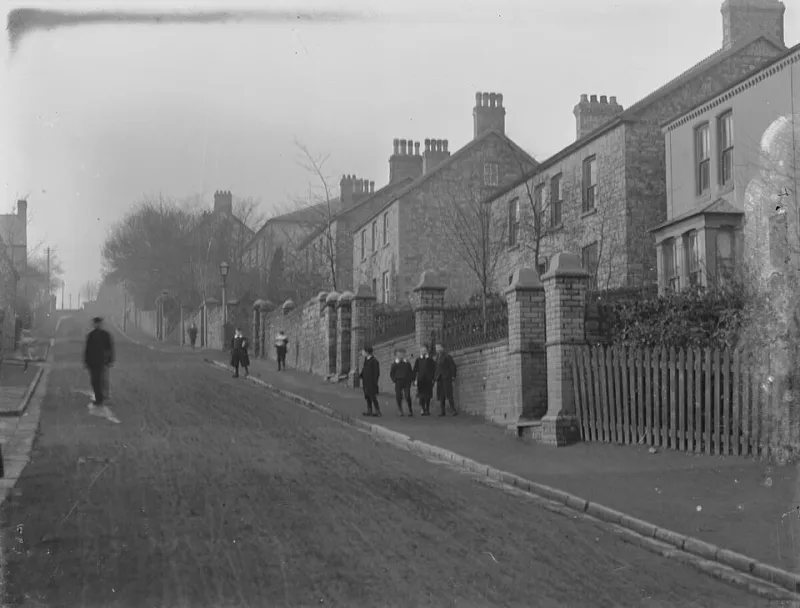
Photo: Unknown, Public domain, via Wikimedia Commons
Parking is often treated as a footnote in the buying process. A viewing ends, an offer is discussed, and the question of where the car will spend its nights is left until contracts are ready. In a controlled parking zone, that sequence is unwise. A permit regime can affect daily routines, household budgets and even the breadth of future buyers. For a 2026 purchase, it deserves the same scrutiny as broadband, flood risk or a leasehold management pack.
Begin with the Street, Not the Space
A controlled parking zone is not always obvious from a single sign. Restrictions can apply to one side of a road, change at a boundary or operate only during certain hours. Buyers should read the signs on the street itself, then verify the position with the local council. Most authorities publish postcode or zone maps online, and parking services can confirm whether a specific address falls inside a zone. Ask for the traffic regulation order if the position is unclear; this is the legal instrument behind the restriction.
It is also worth visiting at different times. A weekday morning may reveal commuter pressure, while a Sunday afternoon may show whether visitor bays are realistic. Check the hours of control, the maximum stay for non-permit holders and whether pay-by-phone operates as an alternative. A zone that looks manageable at midday can feel very different at 6pm.
Establish Permit Eligibility, Cost and Waiting Time
Do not assume that living in a zone guarantees a permit. Councils commonly limit the number of permits per household, apply emissions-based charging or restrict eligibility for certain vehicle types. In 2026, several authorities continue to refine emission-based permit bands, so the cost for a larger or older vehicle may be higher than the headline figure suggests.
Ask the council four practical questions. First, is the address eligible for a resident permit? Second, how much does a first permit cost, including any administration fee? Third, is there a waiting list, and how long is it currently? Fourth, what visitor arrangements apply, such as scratch cards, digital visitor sessions or time-limited bays? A waiting list is particularly important. If a permit cannot be issued at completion, the buyer may face weeks or months of pay-by-phone parking or a temporary arrangement.
Get the answers in writing where possible. Estate agents and sellers may repeat what they have heard, but the council is the source of the rule. A seller saying that a permit is included should be treated with caution: permits are usually personal to the holder and are not transferred with the property.
Read the Title, Lease and Management Papers
Where a bay is said to be allocated, the buyer needs to see how that right is created. The registered title plan may show a parking space within the title, or the lease plan may identify a numbered bay. For leasehold flats, the management pack should confirm the allocation, any service charge contribution and the rules governing use. For freehold houses on managed estates, the transfer or estate documents may refer to a private parking area, maintenance charge or covenant.
There is a meaningful difference between a legal right to park and a casual expectation. An unmarked space outside a house may feel like part of the property, but it may belong to the highway authority, a management company or another owner. Likewise, a visitor space is not a private bay. Buyers should check whether the space is allocated, unallocated but reserved for residents, or simply controlled by permit. If the property is leasehold, ask whether permission is needed for electric vehicle charging and how a cable would be routed.
Test the Arrangement Against Your Routine
Parking is a household issue, not an abstract one. Count the vehicles that will regularly use the home. Consider work patterns, school runs, deliveries, carers and weekend visitors. If the only realistic option is a permit bay several streets away, walk that route with shopping or in bad weather. A short distance on a map can feel longer at the end of a working day.
Buyers should also inspect the physical bay if one is allocated. Is it wide enough for the vehicle? Is it obstructed by bins, planting or a dropped kerb? Does it have a charging point or the ability to install one? For a controlled zone, check whether tradespeople can obtain temporary permits and whether visitor restrictions would make family support impractical.
Understand the Effect on Value and Negotiation
Parking does not have a single market effect. A controlled zone can be a positive feature where it reduces commuter intrusion, and a negative one where permits are expensive or unavailable. The right approach is comparative. Ask what similar homes inside and outside the zone have achieved, and whether the selling agent has evidence of permit availability. A lack of guaranteed parking may narrow the pool of future buyers, particularly for households with two cars, but it does not automatically justify a fixed reduction.
Use the findings to adjust your own view of value. If a permit costs several hundred pounds a year and a waiting list is likely, that is a recurring cost and a practical constraint. It should be reflected in what the home is worth to you, not used as a blunt bargaining chip after the survey. A neutral, evidence-based conversation is more persuasive than an assumption.
A Final Check Before Exchange
Before committing, confirm the zone and eligibility with the council, obtain the current permit and visitor costs, and establish any waiting list. Check the title, lease and management pack for allocated parking rights. Inspect the bay and test the walk to the door. Then compare the property with others where parking is guaranteed.
A home is more than its internal floor area. The place where the car sleeps forms part of the daily routine and the long-term cost of ownership. In a controlled zone, that detail should be audited before the offer, not discovered after the keys are handed over.