Beyond Last Orders: Assessing Hospitality Noise Before You Buy a Home in 2026
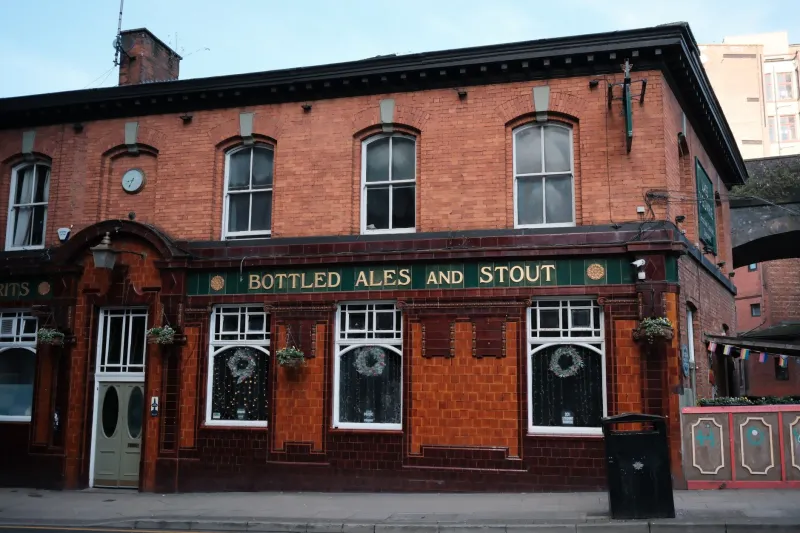
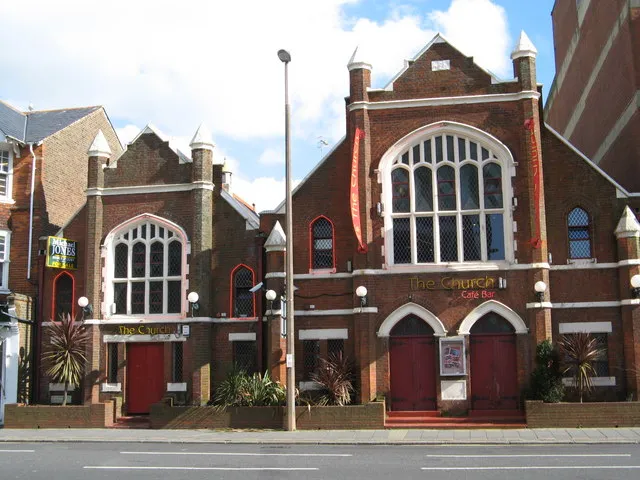
A pub a few streets away is one of the most frequently requested features in a UK buyer's brief, and with good reason: it anchors a neighbourhood, supports walkability and often protects the character of a street. The difficulty arises when the property in question shares a boundary with the premises. The same building that adds amenity to a postcode can also deliver amplified music through a party wall, kitchen extractor hum at the rear, and a pavement full of conversation after eleven o'clock. The task for a buyer is not to avoid hospitality altogether, but to establish, with evidence, what the trading pattern near a prospective home actually is.
Begin with the premises licence, not the beer garden
Every pub, bar and restaurant selling alcohol in England and Wales operates under a premises licence granted under the Licensing Act 2003. Each council publishes a public register of licences, usually searchable online by address, and it is the single most useful document a buyer can consult. The licence summary will show the hours permitted for the sale of alcohol, for regulated entertainment such as live or recorded music, and for late-night refreshment where hot food is served after 23:00. It will also list the conditions attached to the licence and identify the designated premises supervisor.
Read the conditions closely. Some licences specify that doors and windows must be closed after a certain hour, that music must be inaudible at the boundary of the nearest residential property, or that a dispersal policy applies at closing time. Others are silent on such matters, which is itself informative. Ask also whether any variation application is pending, since an extension of hours is easier to price into an offer than to discover after completion. Temporary event notices, which permit short additional activities, are published separately and can extend the pattern of late trading without any formal variation to the main licence.
Two further permissions are worth checking. A pavement licence allows tables and chairs on the highway and is renewed periodically. Separately, planning conditions may impose their own restrictions on opening hours, deliveries or the use of an outdoor area, and those conditions bind independently of the licensing regime.
Read the planning history as well as the licence
Council planning portals retain years of applications, and the record for a nearby pub often explains its present configuration. Look for approvals covering a rear garden, a roof terrace, a kitchen extension or a change of use to hot food takeaway with late-night refreshment. A conservatory approved as a dining room may now be operating as a function space. Equally, note applications that were refused, and the reasons given: an inspector's or officer's comments on noise and disturbance frequently identify precisely the sensitivity a buyer is trying to assess.
The agent of change principle, embedded in national planning policy, is relevant background. It places responsibility for mitigating the impact of new development on the developer rather than on the established business. In practice, a householder who moves next to a long-standing pub trading within its permissions may find that complaints about ordinary trading noise carry less weight than they might expect.
What a standard survey will not tell you
A homebuyer's survey deals with the fabric of the property and does not, in the normal course, assess sound from a third-party business. Where extractor plant, refrigeration units or a music system are involved, ask the selling agent and, if necessary, the council's environmental health team whether any acoustic report was submitted in support of a licence or planning application. Such reports usually record measured noise levels at nearby residential windows and are far more useful than a general assurance that the pub is quiet.
It is also reasonable to ask, through the agent, about the location of external speakers, the siting of any smoking area, the hours that kitchen extraction runs, and when bottles and refuse are collected. A bottle collection at six in the morning can be as disruptive as a late closing time, and it will not appear on any licence summary.
Test the property yourself, at the right times
Three visits will tell you more than thirty minutes on a Saturday afternoon. Aim for a Friday or Saturday evening between nine and eleven, a Sunday lunchtime, and a midweek evening. If possible, attend on a warm night when windows are open, and stand in the rear garden and the principal bedroom rather than in the hallway. Listen specifically for low-frequency sound: bass from a sound system travels through masonry in a way that higher frequencies do not, and it is the most common cause of complaint in flats adjoining licensed premises.
Consider seasonality. A beer garden in January tells you very little; the same space in July, or during the Christmas party season, tells you a great deal. Walk the route from the property to the pub and back after dark, noting glass, litter, taxi activity and where customers gather. Inside the property, check the condition of glazing and seals, whether secondary glazing is fitted, and whether trickle vents or open flues carry kitchen odour into upstairs rooms.
Where the line falls between quirk and risk
The distinction usually rests on three things: the hour at which activity ends, whether sound escapes the building, and whether the operator manages the premises actively. A food-led pub closing at 23:00, with no external music, well-drafted conditions and no audible disturbance in bedrooms with windows shut, is a manageable neighbour in most streets. Buyers who reach that conclusion should still ensure the price reflects the location rather than assuming the market has already done so.
The risk profile shifts where a variation seeks later hours, where an outdoor area is used until midnight, where there is a documented history of noise complaints or abatement action, or where a flat sits directly above commercial space. In those cases, lenders and insurers may raise questions of their own, and resale will depend on a narrower pool of buyers.
A closed pub is not automatically good news either. An asset of community value listing, or a change of use application, can signal a future takeaway, convenience store or residential conversion, each with its own pattern of disturbance and its own effect on the street. In all of this, the aim is not to be deterred but to be informed: a buyer who has read the licence, walked the street after dark and asked the awkward questions is far better placed to negotiate than one who simply liked the look of the building at noon.