Vacant Units and Vitality: Reading High Street Signals Before You Buy in 2026
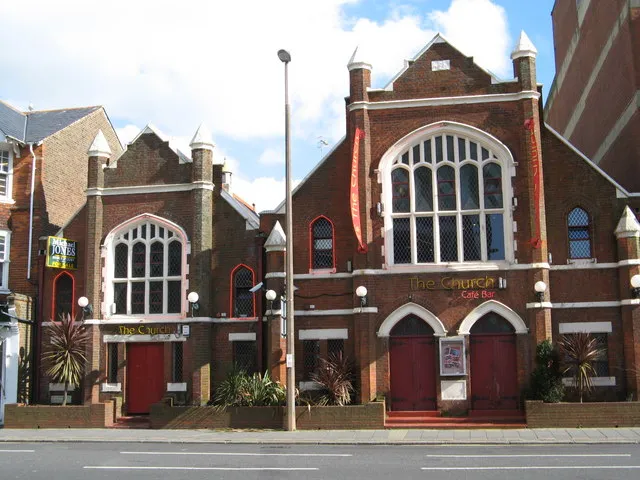
Photo: Josie Campbell , CC BY-SA 2.0, via Wikimedia Commons
Most buyers inspect the house. Fewer inspect the town. Yet for anyone purchasing in 2026 with an eye on resale, the health of the local high street is part of the property’s long-term value. A well-kept town centre supports demand; a declining one can quietly constrain it. The task is not to judge a place on a single Saturday afternoon, but to read it as an estate agent reads a floor plan: systematically, with attention to how the parts work together.
Why the high street belongs in your due diligence
A home is bought with a postcode attached. Schools, transport and employment matter, but so does the everyday experience of the nearest town centre. Buyers considering a move should treat the high street as a live indicator of local confidence. Shopfronts reveal spending patterns, landlord investment and the presence or absence of footfall. Public spaces reveal how a council prioritises maintenance. Neither is decisive on its own, but together they form a useful picture of how a location is likely to fare over the next decade.
Vacancy patterns: absence of tenants versus absence of demand
Empty units are not automatically a warning. Every town has churn, and a short-term void between tenants can be normal. The important distinction is between a unit that is being actively marketed and one that has been left to decline. Look at the condition of the window, the age of the To Let board and whether the interior has been stripped or simply abandoned. A cluster of vacant units in a secondary parade is more concerning than a single empty shop in an otherwise busy street.
Walk the same stretch twice: once on a weekday and once at the weekend. Note whether vacancies are concentrated in one area or spread thinly. A high street with a few empty units but strong activity elsewhere may be adjusting; a high street with widespread vacancy and little footfall may be struggling structurally. The pattern matters more than the raw count.
Anchor tenants and the essential-versus-discretionary mix
Anchor tenants such as supermarkets, pharmacies, banks, libraries and leisure facilities provide regular reasons to visit. Their presence is not a guarantee of vitality, but their absence can be telling. A town centre that has lost its food shop, its bank and its library within a short period may be losing the routine trips that sustain other traders.
Equally important is the mix between essential and discretionary businesses. Essential traders — grocers, hardware shops, health services, pet supplies — tend to be more resilient because they meet needs rather than wants. Discretionary businesses such as gift shops, cafés and specialist retailers add character and can thrive, but they are more sensitive to household budgets. A balanced mix is generally healthier than a street dominated by one category.
Footfall at different times of day
Footfall is not a single number. A high street can be busy at lunchtime and empty by early evening, or quiet on weekdays and packed on Saturdays. For buyers, the useful question is whether activity is sustained across the week. A town centre that serves workers, residents and visitors at different times is more robust than one that depends on a single peak.
Observe who is using the space. Are there families, older residents, commuters, shoppers with bags? Are people stopping or simply passing through? A street with benches, cafés and a reason to linger tends to support trade better than a corridor of shops with no gathering points. These observations are impressionistic, but they are a reasonable starting point for further checks.
Pavements, public spaces and cosmetic versus structural decline
Public-realm condition is often overlooked, yet it signals how a place is managed. Cracked paving, broken lighting, overflowing bins and faded road markings suggest maintenance budgets are stretched. That does not necessarily mean decline, but it is a prompt to investigate further. Conversely, well-tended planters, clean surfaces and recent resurfacing can indicate active stewardship even where shopfronts look tired.
Distinguish cosmetic neglect from structural decline. Peeling paint and dated signage are cheap to remedy. Persistent vacancy, boarded windows, vandalism and a lack of basic services are harder to reverse. A town centre with a clear improvement plan and visible works is in a different position from one where no investment is apparent.
Cross-checking impressions with council data and local plans
Impressions should be tested. Council websites often publish town centre strategies, vacancy surveys and regeneration proposals. Local plan documents — or development plans in Scotland and Wales — set out how the area is expected to change. Look for allocated housing, employment land, transport improvements and conservation area designations. These can support or undermine the case for a location.
Sold-price evidence provides the final check. Compare recent sales of similar homes in the same town over several years. A high street that looks vibrant but has flat sold prices may be popular for reasons unrelated to resale value; a quieter centre with steady price growth may be more resilient than it appears. At McKenzie Estates, we encourage buyers to use high street observations alongside Land Registry or Registers of Scotland data, not as a substitute for it.
A balanced conclusion
The high street is one lens among several. It should inform a buying decision, not dictate it. A town centre with a sensible tenant mix, consistent footfall and visible public-realm care is likely to support demand over time. A centre showing widespread vacancy and weak maintenance deserves closer scrutiny. In 2026, with affordability still stretching household budgets, that scrutiny is a sensible part of any purchase.