Wheelie Bins, Worn Kerbs and First Impressions: Eight Street-Level Checks Sellers Can Fix
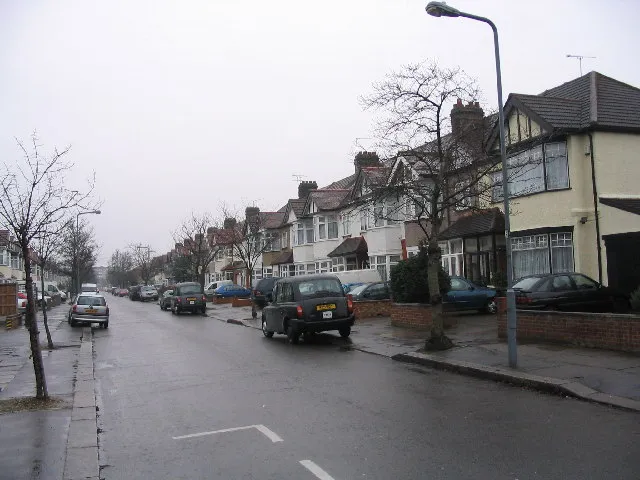
Photo: Andrew Dann, CC BY-SA 2.0, via Wikimedia Commons
A buyer’s first impression rarely begins at the front door. It begins at the corner of the street, at the parking space, at the wheelie bins lined up beside the path. Sellers often spend time on interiors and gardens while overlooking the ordinary details that shape how a property feels before the key goes into the lock.
The point is not to disguise genuine problems. It is to present the street fairly, remove avoidable clutter and show that the property is cared for. The following eight checks are deliberately practical. Most can be completed in a weekend, and none requires a major landscaping budget.
1. Bin storage and collection-day clutter
Buyers notice bins that block the path, obscure a window or sit in the middle of a small front garden. They also notice smells and overflowing recycling. Before viewings, create a defined bin area, clean the containers and keep them out of sight where possible. Do not put bins out days before collection, and check the council’s rules on where they may be stored.
2. Parking and dropped kerbs
Parking chaos is one of the quickest ways to make a street feel difficult. Cars on pavements, unclear driveway access and blocked dropped kerbs all raise questions in a buyer’s mind. Keep your own driveway clear, trim hedges that obscure access and avoid using a dropped kerb as a casual parking space. If parking is restricted, provide clear visitor information rather than leaving buyers to guess.
3. Pavement width and the pedestrian route
A narrow or obstructed pavement is particularly noticeable to buyers with prams, wheelchairs, shopping trolleys or dogs. Overgrown hedges, building materials and bins can force pedestrians into the road. Cut back growth on your side of the boundary, remove temporary clutter and check that the route to the door feels safe and open.
4. Neighbouring upkeep and boundary lines
Sellers cannot control a neighbour’s front garden, scaffolding or broken fence. They can, however, manage their own boundary and avoid letting a small issue look like neglect. Repair a leaning gate, clear leaves from a shared path and make sure boundary walls are sound. If a neighbour’s property is visibly untidy, do not try to hide it; a straightforward explanation is usually better than a last-minute screen of trellis.
5. Street furniture, signage and clutter
Estate agent boards, satellite dishes, loose cables, old signage and litter all add visual noise. Keep one board rather than several, tidy visible cables where safe to do so, and remove outdated notices from windows and gates. A small litter pick on the approach to the property can make a surprising difference, particularly on bin collection days.
6. Lighting and sightlines
A dark porch, an unlit path or a front garden obscured by shrubs can make a property feel less welcoming during an evening viewing. Replace failed bulbs, clean glass light fittings and trim plants that block windows or the route to the door. Make sure the house number is visible from the street so buyers are not searching in the dark.
7. Road surface, drains and standing water
Buyers notice puddles at the kerb, blocked gullies and cracked paving. Sellers should report persistent highway drainage issues to the council and clear leaves from their own drains and gullies where it is safe to do so. Do not conceal standing water with temporary covers. If there is a known local issue, mention it early rather than allowing a buyer to discover it on a wet viewing day.
8. Front boundary and gate operation
A sticking gate, a loose fence panel or a gate that will not latch sends a subtle signal about maintenance. Buyers often test gates and paths without thinking. Oil hinges, repair latches, secure fence panels and repaint worn timber if it is within your responsibility. Avoid structural alterations to walls or boundaries without checking ownership and any necessary consent.
Presenting the street honestly
These fixes are not about creating a false impression. They are about removing the small obstacles that distract buyers from the property itself. A clean bin area, a clear path and a working gate will not sell a home on their own, but they help a buyer arrive at the front door with confidence rather than doubt. For sellers preparing a 2026 viewing, the most useful first step is often to stand at the end of the street and look back at the property as a buyer would.