A Short Viewing, Well Spent: Room-by-Room Priorities for UK Buyers
Photo: Geographer , CC BY-SA 2.0, via Wikimedia Commons
Viewings in busy UK markets are often scheduled in short slots. Fifteen or twenty minutes is enough to form a view, but only if you arrive with a plan. The aim is not to inspect every tile and skirting board; it is to identify the points that would change your offer, your survey brief or your willingness to proceed. Treat the appointment as a triage exercise, then use a second viewing or a professional survey for the detail.
Before You Arrive
Read the listing and floorplan carefully. Note the EPC rating, tenure, council tax band, heating type and what the agent says is included. Ask how long the appointment will last and whether the vendor will be present. If the property is leasehold, request the service charge and ground rent figures in advance. A short list of priorities, written on your phone, is more useful than a vague sense that you will know it when you see it.
Hallway and Entrance
Start at the front door. Check whether it closes squarely, whether the lock works and whether there are draughts. In the hallway, look at the ceiling and the top of the walls for staining or fresh paint that might be hiding a leak. A musty smell is worth noting, particularly if windows have been left open. Locate the consumer unit and, if visible, the boiler. Ask how old the boiler is and whether there is a service record. Storage matters in UK homes, so open any cupboard under the stairs and judge whether it is usable rather than merely present.
Living Room
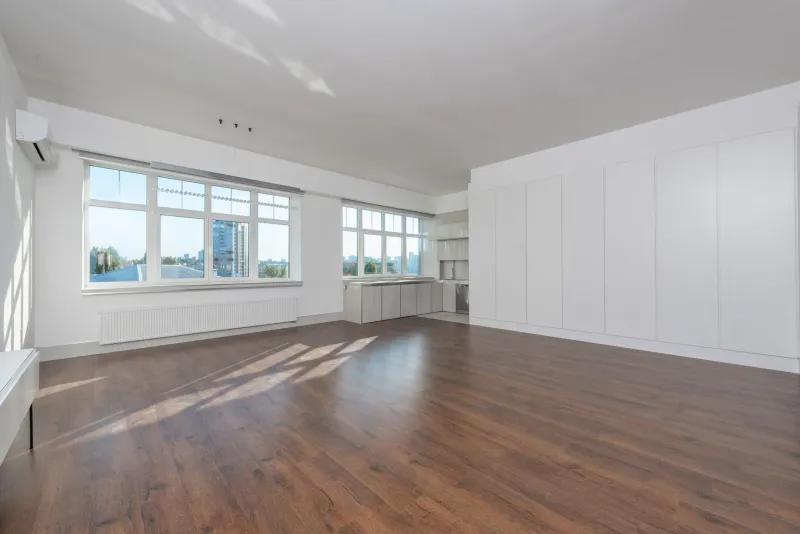
Natural light is a major factor, especially in winter. Check the windows: do they open, are there signs of condensation between panes, and are the seals intact? Look at the walls for cracks. Hairline cracks in plaster are common; wider cracks, particularly near windows and doors, should be noted for the surveyor. Test the water pressure at a tap later, but in the living room listen for road noise and check mobile signal. Ask whether the radiators heat evenly and whether the fireplace, if present, is open or sealed.
Kitchen
The kitchen is where short viewings earn their keep. Run the hot tap and watch the flow. Open the cupboard under the sink and look for damp, staining or makeshift plumbing. Check the extractor fan and any signs of condensation on the walls. Ask what appliances are included and how old they are. Look at the space around the boiler and the fuse board if they are in the kitchen. Storage is often overstated in listing photographs, so count the cupboards you could actually use.
Bathroom
Check the extractor fan, the sealant around the bath and shower, and the ceiling for mould or flaking paint. Flush the toilet and run the basin tap. Poor drainage or low pressure is worth investigating. If the bathroom has no window, ventilation becomes more important. In flats, ask whether there have been leaks from or into neighbouring properties.
Bedrooms
Bedrooms are often the quickest rooms to assess, but do not skip the external walls. Damp patches behind furniture can be missed in a hurried viewing. Open the windows and check they close properly. Look at the storage and consider whether it suits your needs. If it is a house, ask about loft access and whether the loft is boarded or insulated. In a flat, listen for noise from neighbours and from the street.
Outside, Communal Areas and Services
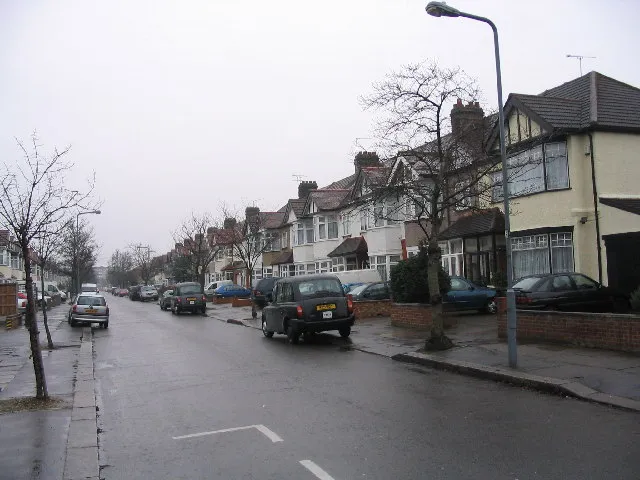
For a house, look at the roof line from ground level, the gutters and the drains. You will not be able to assess these fully, but obvious defects should be noted. For a flat, the communal hallway often tells you as much as the property itself. Ask about the managing agent, the service charge and any planned works. Check where the meters are and whether parking is allocated, permitted or simply hoped for.
Questions to Ask Before You Leave
Ask the agent: What is the tenure and, for leasehold, how many years remain on the lease? What are the service charge and ground rent? What is the EPC rating? How old is the heating system? Are there any known issues with damp, structure or drainage? What is included in the sale? What is the vendor's position and chain? Have there been any alterations or planning applications? And is there any reason a second viewing could not be arranged?
When to Slow Down
A short viewing is not a survey. If you see damp, movement, poor drainage or a boiler at the end of its life, do not necessarily walk away. Note it, ask the agent for more information and commission the right professional advice. The purpose of the appointment is to decide whether the property deserves more time, not to pretend that fifteen minutes can replace a full inspection.