Buying a Former Rental: Tenancy Status, Access and Vacant Possession
A property that has been rented is not a problem in itself. Many well-maintained homes reach the sales market after a tenancy ends, and a rental history can even be useful because there is often a record of repairs and safety checks. The issue for buyers is not the history but the legal and practical position at completion. In the 2026 market, where flats and houses formerly let are common, it pays to establish the tenancy status early rather than discover it after your survey or mortgage offer.
Why the Tenancy Position Matters
When a home is sold with vacant possession, the buyer can expect to occupy it at completion. When it is sold subject to an existing tenancy, the buyer may be taking on a landlord's obligations. For most owner-occupiers, that is not the plan. Lenders also tend to require vacant possession for residential mortgages. If a tenancy remains, the purchase becomes an investment transaction with different lending, tax and management considerations.
Establish the Facts in Writing
Ask the agent whether the property is currently let. If it is, request the tenancy agreement, start date, rent, deposit details and whether the tenancy is fixed-term or periodic. Ask whether any notice has been served and whether the tenant has given notice. Confirm whether the deposit is protected in an approved scheme and whether there are any disputes or arrears. Verbal assurances are not enough. Your solicitor should verify the documents and advise on the legal position.
Notice Periods and Completion Dates
If a tenant is still in occupation, the seller must follow the correct legal process. The notice period depends on the tenancy and the route used, and it is usually measured in weeks rather than days. Completion should not be set on the assumption that a tenant will leave on a particular date unless the legal position supports it. Your solicitor should check that any notice is valid and that the timetable is realistic. Build in contingency rather than relying on goodwill.
Access for Survey and Lender Valuation
Tenants have a right to quiet enjoyment of their home. Surveyors and lenders cannot simply turn up without proper arrangements. Access should be requested through the agent or landlord with the notice required by the tenancy. If access is delayed, your survey and mortgage valuation may slip. If access is refused, a lender may decline to proceed or require an alternative valuation. Ask early what access can be provided and whether the tenant is cooperating.
Vacant Possession Explained
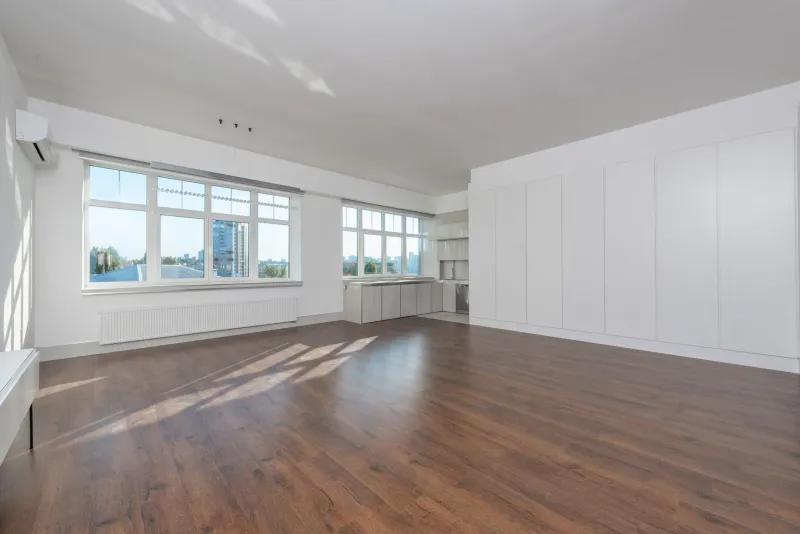
Vacant possession means the property is empty and free of occupants and their belongings at completion. It is not the same as a promise that the tenant intends to leave. If keys are still with a tenant, or furniture remains, the position is not vacant possession. The contract should be clear about what is required. Your solicitor can explain how completion should be handled if the tenant leaves shortly before or on the day.
If the Tenancy Remains
Some buyers deliberately purchase tenanted property. If that is your plan, take advice on mortgage consent to let, landlord insurance, deposit transfer, apportionments of rent and any licensing requirements. Check the lease if the property is a flat, because some leases restrict letting or require consent. If you intend to live in the property, a tenancy that continues after completion is usually a reason not to proceed unless the seller can deliver vacant possession.
Conveyancing Questions to Raise Early
Ask your solicitor to confirm the tenancy documents, notice validity, deposit protection and any disputes. Ask your lender whether it requires vacant possession and what evidence it will accept. Check the EPC, gas safety record and electrical safety information if the property has been let. For flats, ask the managing agent about the lease, service charge and any restrictions on letting. These questions are easier to answer before you spend money on a full survey than after exchange.
Condition Is a Separate Question
Rental wear is not the same as structural failure. Scuffed paint, older appliances and tired gardens are common and can be priced in. Damp, poor drainage or repeated repairs are different matters. Commission a survey that reflects the property's age and type. A former rental can be a sound purchase, but it deserves the same professional scrutiny as any other home.
A Sensible Approach
Ask about the tenancy before you offer, confirm it in writing, and make your solicitor's enquiries specific. If vacant possession is essential, make that clear in the contract and allow a realistic timetable. If a tenancy is to remain, treat the purchase as an investment from the outset. A calm, early conversation is far better than a late-stage surprise.