Before You Exchange: Making Sense of a Leasehold Management Pack in 2026

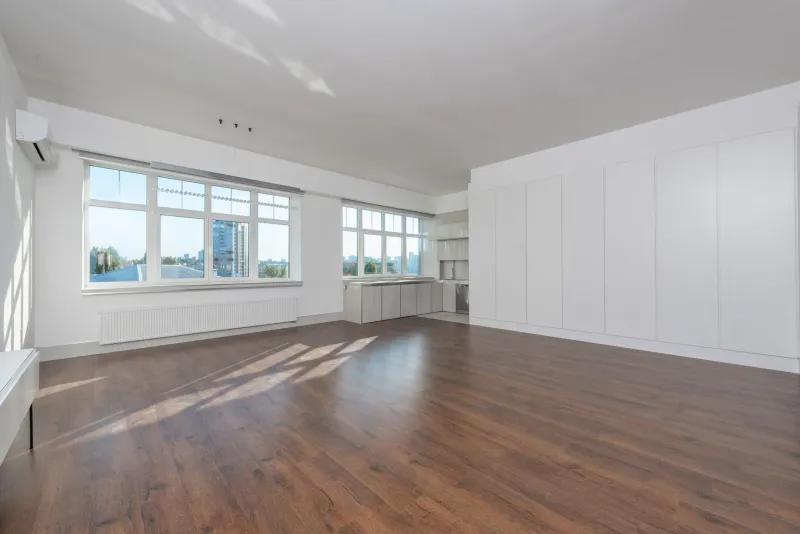
Photo: UK leasehold apartment building exterior management pack documents service charge, via facts.net
For leasehold buyers, the management pack is one of the most important documents in the transaction. It sets out how the building is run, what it costs, what work is planned and what risks may lie ahead. Yet it often arrives late in the process, dense with figures and unfamiliar terms, at a point when buyers are eager to exchange. A calm, methodical reading — with professional support where needed — can prevent unpleasant surprises after completion.
What the pack should contain
A comprehensive pack should include the current service-charge budget and the actual accounts for the past three years, the balance and policy for any reserve or sinking fund, a planned maintenance schedule, the buildings insurance policy and claims history, fire risk assessments and asbestos information where relevant, and details of any cladding or building-safety remediation. It should also include notices of major works, records of any Section 20 consultations, the managing agent’s contract and fees, the lease itself, ground rent provisions, and information about any disputes or tribunal decisions.
Ask your solicitor to request the latest versions and to confirm that nothing material has been omitted. If the pack is incomplete, treat that as a question to resolve rather than a minor administrative delay.
Reading the service-charge budget
Compare the budget with the actual expenditure for previous years. A consistent pattern of overspending may indicate that the budget is unrealistic; a consistent underspend may suggest that works are being deferred. Check what the charge covers: buildings insurance, cleaning, lighting, lifts, concierge, gardening, utilities for common parts and the management fee. Ask for a per-unit breakdown if one is available.
Look at the management fee as a proportion of the total charge and consider whether it reflects the level of service described. Compare the figures with similar blocks in the area, but do so cautiously: two buildings of the same age can have very different obligations. High arrears among leaseholders can affect cash flow and may signal wider management problems.
Reserve funds and sinking funds
A reserve, or sinking fund, exists to meet future major works without sudden special levies. Check the balance, the contribution per unit and the most recent condition survey. Ask whether the fund is held in trust and whether there is a statutory reserve for qualifying leases. An underfunded reserve is not necessarily a reason to walk away, but it is a reason to budget for a future demand.
Distinguish a genuine reserve from a service-charge surplus. Ask what works the fund is intended to cover and when. If the building has significant upcoming expenditure — a roof, windows, lift replacement or external decoration — the reserve should reflect that.
Planned works and Section 20
Planned maintenance is preferable to emergency repair, but it still has a cost. Look for a schedule of works and any Section 20 consultation notices, which set out proposed major works and the expected contribution from leaseholders. Ask for estimated costs and timings. If major works are imminent, seek advice on whether a retention or price adjustment is appropriate. Do not assume that a low current service charge means low future costs; it may simply mean that the expensive work has not yet been billed.
Insurance, cladding and building safety
Check the buildings insurance sum insured, the excess and the exclusions, and ask about claims history. On building safety, request any cladding or remediation information, including an EWS1 form where one exists, the building safety case and any developer pledge or funding arrangement. Verbal assurances are not enough. If remediation is outstanding, obtain specialist legal advice before exchange and understand how the leaseholder protections apply.
The managing agent
A responsive agent matters as much as a reasonable budget. Ask for recent correspondence, the complaint log and the service-charge collection rate. Contact the agent with a query before exchange and note how quickly and clearly they respond. Check whether the agent is regulated by a recognised body. Poor communication before completion rarely improves afterwards.
Red flags that deserve specialist advice
Seek advice if you see a sudden large increase in the service charge, no reserve fund, unresolved cladding or building-safety issues, litigation between leaseholders and the freeholder, very high arrears, missing accounts, unclear lease terms, a short lease, or onerous ground rent and permission fees. These are not automatic deal-breakers, but they require proper assessment.
Budgeting beyond the mortgage
Your monthly outgoings will include the service charge, ground rent, buildings insurance where applicable, reserve contributions, utilities, council tax and any potential special levy. Stress-test the budget against a ten to twenty per cent increase. In 2026, insurance and energy costs remain relevant considerations. A contingency fund is not a sign of pessimism; it is part of owning a leasehold home responsibly.
A well-prepared management pack gives buyers confidence. A poor one gives them negotiating leverage and a clearer view of risk. At McKenzie Estates, we encourage leasehold buyers to read the pack with their solicitor and, where necessary, a specialist, before exchange rather than after.