Before the Hearth Is Lit: Auditing a Period Chimney Before You Offer
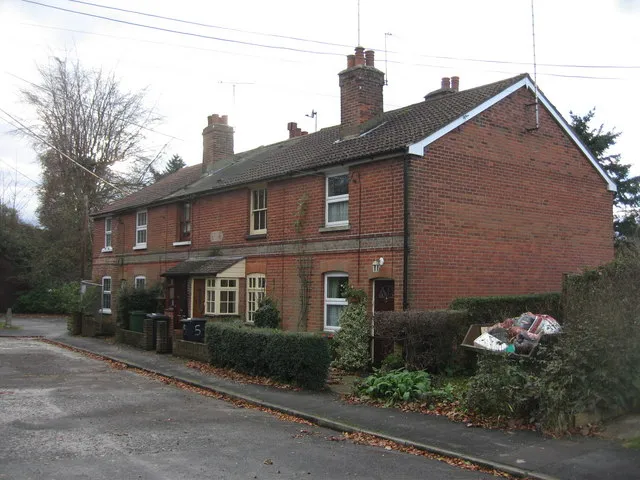
Photo: Sebastian Ballard, CC BY-SA 2.0, via Wikimedia Commons
A fireplace is one of the more seductive features a period home can offer. It suggests warmth, character and a settled sense of place. Yet the chimney that serves it is largely invisible, frequently misunderstood and expensive to remedy once the keys have changed hands. For buyers viewing older property in 2026, the sensible approach is to treat the chimney as a piece of building services rather than as decorative charm.
Establish what the flue is actually serving
Not every fireplace opening leads to a working flue. Some have been capped, some share a stack with a neighbouring property and some have been adapted for an appliance that the vendor has since removed. Before an offer is made, ask what the chimney currently serves: an open fire, a wood-burning stove, a gas fire or nothing at all. Each has different documentation requirements.
A solid-fuel appliance should normally be supported by a HETAS certificate or a Building Regulations completion certificate for the installation. A gas fire should have a Gas Safe record. An open fire may have little more than a sweep’s visit record, but that is still useful evidence. If the vendor cannot produce paperwork, do not assume the installation is defective; instead, treat the absence as a prompt for further investigation. A qualified chimney sweep can carry out a flue survey, and a CCTV inspection is often worthwhile where the history is unclear.
Read the signs of damp, soot and spillage
Damp on a chimney breast is not always a roofing problem. It can arise from a blocked flue, a missing cowl, failed flashing, defective pointing or simple condensation in an unused chimney. Hygroscopic salts in the masonry may attract moisture and leave tide marks, bloom or a powdery deposit on the plaster. Redecoration can mask these signs for a few months, so look carefully in upstairs rooms, alcoves and the loft space.
Soot staining around the fireplace opening or above a stove can indicate spillage, poor draught or an inadequate liner. A smoky smell in warm weather may point to downdraught. If the chimney is no longer used, it should still be ventilated at both ends to reduce condensation and damp; a capped pot with no internal vent is a common oversight. Buyers should also check that air bricks and vents have not been blocked during earlier renovation work.
Consider the chimney breast as structure, not just decoration
Many period terraces have chimney breasts that form part of the original structural arrangement. Removing one is not a cosmetic alteration. It requires proper structural design, often steel beams, Building Regulations approval and, in many cases, a party wall agreement. Gallows brackets and similar arrangements are not universally accepted, and older removal work may have no completion certificate at all.
During viewings, look for gaps between the chimney breast and ceiling, cracks that follow the breast, or a scarred patch where a fireplace has been removed. Ask the vendor whether any chimney breast has been altered and request the associated documents. A building surveyor should be asked to comment specifically on the chimney breast and stack, particularly in a terraced or semi-detached property where the stack may be shared. Above the roof, check for leaning stacks, eroded mortar, loose pots and defective flashing.
Check smoke control and consent before you plan a fire
In a smoke control area, the Clean Air Act restricts what may be burned unless an appliance is exempt or approved. Local councils publish maps, and buyers intending to install or use a wood burner should check the property’s status before assuming that a fire is permissible. Conservation areas and listed buildings may also require consent for external flue terminals, cowls or alterations to the stack.
Insurance deserves equal attention. Tell your insurer if the property has a working solid-fuel appliance, and be ready to provide installation and sweeping records. Some policies impose conditions on chimney use or exclude damage arising from an unsafe installation. A stove that looks well fitted can still lack the documentation an insurer will later request.
A practical checklist before exchange
At the viewing, inspect the chimney breast in every room, the loft and the roof line. Look for damp, salts, soot marks, blocked vents and evidence of removed appliances. Ask the vendor for manuals, installation certificates, sweep records, Building Regulations completion certificates and any party wall documentation. Confirm whether the chimney is shared and who maintains the stack. Check the local smoke control map and any conservation-area or listed-building implications. Finally, obtain a written quote from a qualified sweep or installer if defects are suspected, and pass the findings to your conveyancer and surveyor before exchange.
A period chimney can be a pleasure to own, but only when its condition and permissions are understood. In 2026, with remediation costs unlikely to be trivial, the buyer who asks for evidence before offering is better placed than the one who falls for the romance of an open grate.